Everything about the Role of an Emulsifier in Food and Its Relevance in Modern Food
Emulsifiers are critical in contemporary cuisine, facilitating the blend of immiscible liquids like oil and water. Their ability to support mixtures boosts the structure and taste of different food. From salad dressings to baked goods, emulsifiers play a considerable function in both industrial and home food preparation. The science behind their feature and the future innovations in their usage continue to be less explored. What more could be uncovered regarding these necessary cooking representatives?
Recognizing Emulsification: The Science Behind the Process
Emulsification may seem like a basic cooking strategy, it includes complex scientific principles that are vital for developing stable blends of immiscible liquids, such as oil and water. At the heart of this procedure exists the concept of surface tension, which prevents both liquids from mixing normally. Emulsifiers, materials that reduce surface area stress, play a vital duty in promoting the mix of these fluids. They have both hydrophilic (water-attracting) and hydrophobic (water-repelling) properties, permitting them to anchor themselves at the interface in between oil and water.
When an emulsifier is presented and the mix is upset, it creates a safety barrier around dispersed beads of one fluid within the other, maintaining the combination. This action not only improves appearance and mouthfeel in food however additionally adds to their aesthetic charm. Emulsifier In Food. Understanding the science behind emulsification is essential in contemporary cuisine, permitting chefs to develop a selection of sauces, dressings, and emulsified dishes
Typical Kinds Of Emulsifiers Utilized in Food
Emulsifiers are crucial components in the food market, playing a crucial role in maintaining combinations of oil and water. Numerous sorts of emulsifiers are commonly utilized, each with one-of-a-kind residential or commercial properties matched for various applications. Lecithin, derived from soybeans or egg yolks, is one of one of the most popular all-natural emulsifiers, commonly located in delicious chocolates and dressings. Mono- and diglycerides, which are acquired from glycerol and fatty acids, are widely utilized in baked products and margarine to improve texture and expand life span. An additional typical emulsifier is polysorbate 80, favored for its ability to boost the consistency of gelato and sauces. In addition, xanthan periodontal and guar gum serve as thickening representatives that also add to emulsification in gluten-free items. These emulsifiers are essential to developing a stable, tasty product in contemporary food formulas, making sure a pleasant sensory experience for customers.
The Function of Emulsifiers in Various Food Products
A range of food rely upon emulsifiers to achieve preferred textures and stability. These materials help with the blending of immiscible liquids, such as oil and water, which is essential in numerous refined foods. In salad dressings, emulsifiers assist keep a regular mix, avoiding separation and enhancing shelf life. In baked products, they add to an uniform crumb framework and moisture retention, enhancing general top quality.
Emulsifiers likewise play a significant role in milk items, such as gelato and yogurt, where they stabilize fat beads, making sure a smooth mouthfeel. In addition, in spices and sauces, they boost viscosity and improve spreadability. This capability is crucial in the manufacturing of chocolates, margarine, and mayonnaise, where a natural item is needed. Overall, the use of emulsifiers in numerous food products is important to modern-day food production, enhancing security and consistency across a vast array of things.
Exactly How Emulsifiers Enhance Structure and Flavor

When incorporated right into foodstuff, emulsifiers substantially enhance both appearance and flavor, producing an even more pleasurable consuming experience. These materials promote the blending of ingredients that generally do not blend well, such as oil and water, leading to a smoother, creamier uniformity. This not only enhances mouthfeel but additionally permits tastes to distribute uniformly throughout the item, enhancing the overall taste.
:max_bytes(150000):strip_icc()/mayonnaise-with-lettuce-leaf-155393729-593ed7783df78c537b549d84.jpg)
Emulsifiers in Home Food Preparation: Tips and Techniques
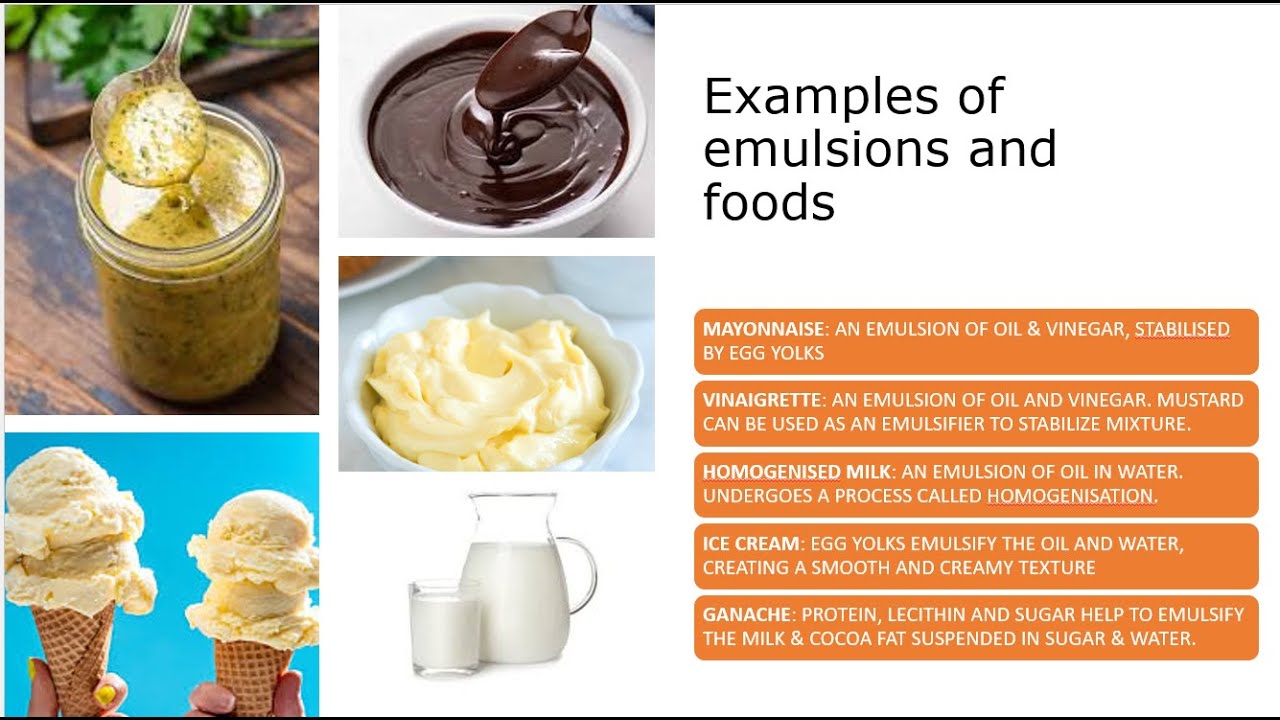
How can home chefs effectively use emulsifiers to enhance their recipes? Emulsifiers play a vital duty in attaining desirable appearances and tastes in homemade recipes. Utilizing egg yolks in mayonnaise or hollandaise sauce permits for a stable emulsion, incorporating oil and water successfully. Home chefs can also experiment with mustard, which functions as an emulsifier in vinaigrettes, ensuring a smooth consistency.
In cooking, including lecithin, located in egg yolks or soy, can improve dough stability and moisture retention. In addition, making use of business emulsifiers like xanthan gum or guar gum can aid enlarge sauces and dressings while preserving a creamy mouthfeel.
When producing ice lotions or whipped garnishes, emulsifiers can avoid ice crystal development, leading to a smoother texture. By mastering these methods, home chefs can substantially elevate their culinary creations, supplying delightful and regular recipes that display the power of helpful resources emulsification.
The Future of Emulsifiers in Culinary Innovation
As the cooking world remains to progress, the role of emulsifiers is positioned to become varied and progressively cutting-edge. Breakthroughs in food scientific research are bring about the growth of new emulsifying agents stemmed from natural resources, which provide to health-conscious customers and boost the sensory top qualities of meals. Advancements such as plant-based emulsifiers are obtaining traction, enabling cooks to develop vegan and allergen-free alternatives without jeopardizing appearance or taste.
Furthermore, the use of emulsifiers in molecular gastronomy is increasing, allowing cooks to try out special structures and presentations that he has a good point captivate diners. As sustainability becomes a concern, the future may see a shift towards environmentally friendly emulsifiers that reduce environmental influence.
Inevitably, emulsifiers will remain to play an essential role in culinary development, bridging the void between custom and modernity, and permitting chefs to press the boundaries of imagination in their kitchens.
Frequently Asked Questions

Are Emulsifiers Safe for Individuals With Allergies?
Emulsifiers can be safe for individuals with allergies, relying on their certain sensitivities. Certain emulsifiers, derived from allergenic resources like soy or eggs, may cause reactions, demanding mindful active ingredient copyrightination and assessment with healthcare specialists.
How Do Emulsifiers Impact Food Service Life?
Emulsifiers improve food life span by maintaining combinations, avoiding splitting up, and minimizing microbial development. This stability helps preserve structure and flavor gradually, permitting items to stay enticing and risk-free for consumption much longer than without emulsifiers.
Can Emulsifiers Be Derived From Natural Sources?
Yes, emulsifiers can be derived from all-natural resources such as plants, eggs, and dairy products (Emulsifier In Food). These natural emulsifiers aid support blends, boosting appearance and uniformity in different food applications while being chosen for health-conscious consumers
What Are the Ecological Influences of Emulsifier Production?
The environmental impacts of emulsifier manufacturing consist of source exhaustion, habitat destruction, and pollution from artificial processes. Natural emulsifier sourcing can reduce some results, however in general, commercial methods still present considerable eco-friendly obstacles to ecological communities worldwide.
Are There Vegan Emulsifiers Available out there?
Yes, there are a number of vegan emulsifiers readily available in the marketplace, such as lecithin pop over to this site acquired from soy or sunflower, guar gum, and xanthan gum. These alternatives deal with plant-based diet plans without jeopardizing emulsifying buildings.
Emulsifiers are crucial active ingredients in the food industry, playing a vital function in maintaining blends of oil and water. A range of food products count on emulsifiers to attain desired textures and security. When incorporated right into food products, emulsifiers greatly boost both appearance and taste, creating an even more satisfying eating experience. In addition, emulsifiers can stabilize air pockets in whipped products like creams and mousses, leading to a light and ventilated appearance. Emulsifiers enhance food rack life by stabilizing mixtures, stopping separation, and minimizing microbial development.
Comments on “Emulsifier In Food: Secret Weapon for Creamy Gelato”